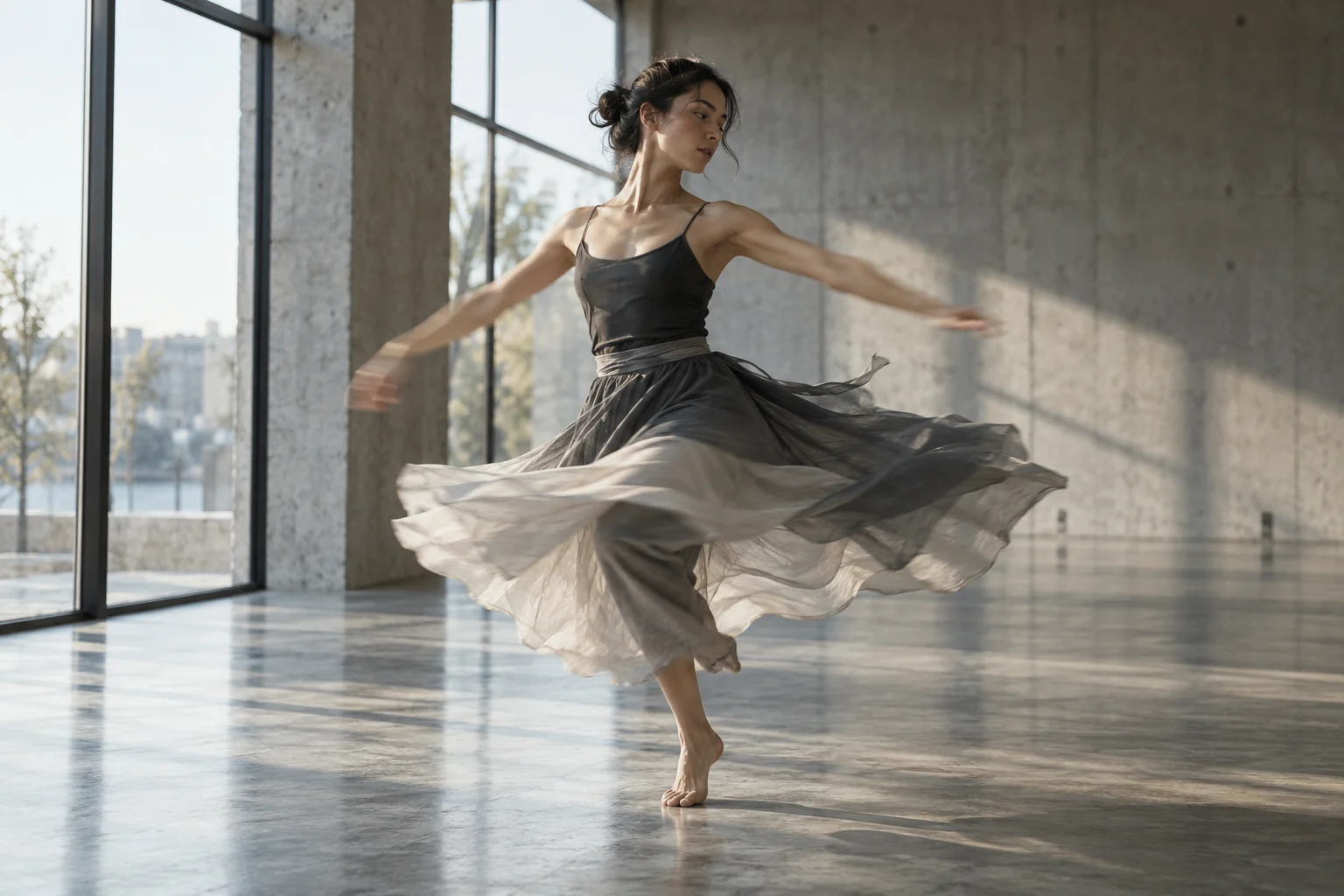
The input can describe a scene or show where it should begin.
In text-to-video, a prompt describes subjects, actions, setting, camera, and visual treatment. The model uses those words as conditions while producing a moving visual sequence. In image-to-video, a supplied image adds a visual starting point; the system estimates how that scene could change over time.
Some workflows also transform or extend an existing clip. The available controls differ by model: a prompt may guide a broad scene without giving precise control over every movement, frame, or camera path. Treat an instruction as direction for generation, not as a frame-by-frame contract.
Video generation creates new media. Video understanding examines a recording that already exists. The two tasks can use related visual representations, but they answer different questions and need different evaluations.